.png?width=200&height=51&name=brandmark-design%20(1).png)


7 Proven Ways Service Businesses Win More Jobs Without Extra Ad Spend 7 Ways Service Businesses Win...
How to Write a Quote That Wins the Job (Not Just Estimates the Price)
If you run a home-service business—whether it’s cleaning, landscaping, lawn care, mobile auto detailing, or general maintenance—you probably already know this one thing:
Your quote is often the key bridge between an interested lead and a new customer.
But here’s the catch: most service quotes only do half the job. They tell the customer what the job will cost… but they don’t explain why they should pick you.
A winning quote isn’t just about price. It’s about building trust, showing your value, easing uncertainty, and gently nudging the customer to say “yes”—even if you’re not the cheapest option on the table.
Here’s how to write quotes that actually convert, based on best practices, buyer psychology, and what works in New Zealand and Australia’s home-service market.
Why Most Quotes Don’t Convert (Even When the Price Is Good)
Research into service quotes points out some typical pitfalls:
- Too much technical detail—leaves customers overwhelmed and confused.
- Not enough clarity—makes customers hesitate and delay the decision.
- No explanation of value—quotes end up looking like mere price lists rather than solutions.
- Lack of professionalism—sloppy formatting chips away at trust, even if your work is top-notch.
- Unclear pricing breakdowns—customers can’t easily compare your quote to others.
Here’s a little insider knowledge: buyers don’t usually go with the cheapest quote. They pick the one that feels safest, clearest, and most reliable.
What Customers Actually Look for in a Quote
Consumer psychology tells us people don’t just scan a price tag—they size up the perceived value and how confident they feel about the purchase. When a quote is simple, professional, and easy to understand, your customer’s trust and sense of value go way up.
Here’s what customers really want in a quote:
- Clarity—knowing exactly what they’re paying for and why.
- Transparency—no hidden fees or vague descriptions.
- Professionalism—a clean, branded document that screams “we mean business.”
- Benefits—not just what you’ll do, but the results they’ll get.
- Confidence they’re making the right choice—testimonials, guarantees, and a clear process help here.
A great quote wraps all this up into a neat, customer-friendly package.
How to Write a Quote That Wins the Job
1. Start With a Professional Template
First impressions count—for you and your quote. A well-organised document shows you’re organised in your work, too.
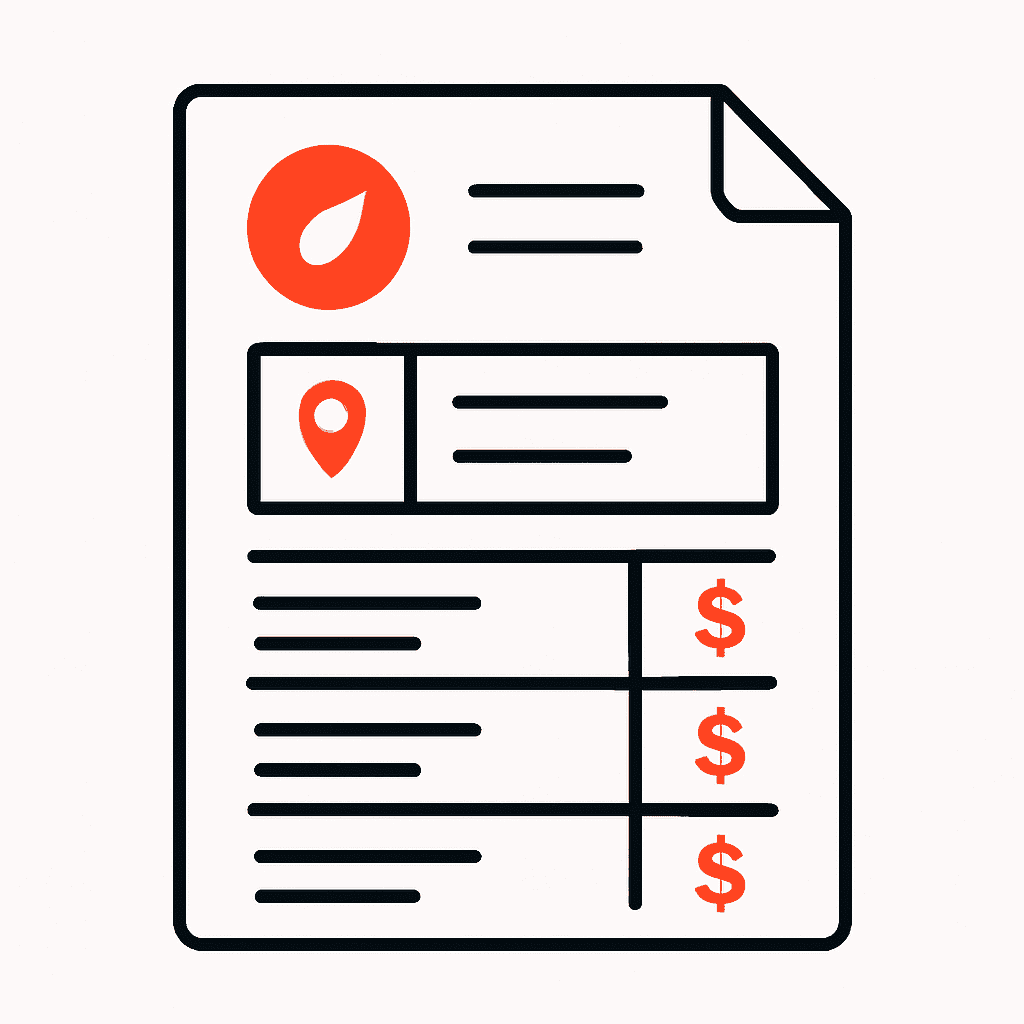
Make sure your quote includes:
- Your logo and business details
- A unique quote number and issue date
- A validity period (e.g., valid for 14 days)
- Customer’s details
Tools like Taskly’s quoting software make it easy to keep this consistent across every job.
2. Clearly Describe the Scope—But Don’t Overwhelm
A common trap is turning your quote into a technical novel. Your customers don’t want to read a thesis; they want clear info.
Rather than listing every tiny task, group things into easy-to-digest categories.
For example, a landscaper could write:
- Lawn mowing (front and back yards)
- Hedge trimming (2 boundary lines)
- Green waste removal (up to 1 cubic metre)
It’s detailed enough to be clear, but not so detailed it feels overwhelming.
3. Focus on Value, Not Just Work
Listing tasks is good. Showing the benefits is even better.
For example:
“Streak-free window cleaning using purified water to minimise spotting and extend the time between cleans.”
See? That little extra detail turns an ordinary line item into a persuasive reason to hire you.
4. Be Transparent With Pricing
Honesty builds trust and cuts down on back-and-forth emails.
- Show itemised costs when it makes sense.
- Include GST details clearly.
- Explain any optional extras.
- Note any assumptions (like access to the site or water supply availability).
Breaking down your pricing also helps customers feel they’re being treated fairly—something pricing psychology research backs up.
5. Use Simple, Clear Language (No Jargon)
Your customer isn’t a tradie (and that’s okay). They probably don’t know what “edge-whipping,” “cutback,” or “orbital agitation” mean.
Write like you’re explaining the job to a neighbour:
“We’ll trim back the overgrown hedge so it’s even and tidy.”
Clear quotes convert better. Every time.
6. Add Social Proof Where It Makes Sense
People buy based on trust, so don’t be shy about adding a quick testimonial or rating snippet—it can make a real difference.
Here are a couple of examples:
- “Rated 4.9/5 by 60+ local customers.”
- “Here’s what one of our recent clients said…”
Keep it brief, though—the focus should stay on the job at hand.

7. Offer Options or Packages
Psychology tells us that giving customers a choice makes your preferred option look even better.
For example, a cleaning business might offer:
- Standard clean
- Deep clean
- Deep clean + oven
This way, the question shifts from “yes or no” to “which option suits you best?”—which feels a lot more positive.
8. Make It Easy to Accept the Quote
The more hoops customers have to jump through, the fewer will say “yes.”
Make it simple by offering:
- A clear acceptance button or link
- Digital signatures
- Online payment options
Taskly lets customers accept quotes online—no printing, scanning, or chasing emails needed. It’s a handy little trick that boosts acceptance rates.
9. Set Clear Next Steps
Don’t leave your customers hanging once they accept your quote.
Add a line like:
“Once accepted, we’ll be in touch within 24 hours to schedule your job.”
This way, you reduce hesitation and speed things along.
Pro Tips to Make Your Quotes Even More Compelling
- Avoid rounding everything to .00—pricing that ends in 9 or similar can actually feel more precise and budget-friendly.
- Deliver quotes quickly—fast quoting is one of the biggest predictors of winning jobs.
- Keep branding consistent—consistency builds trust and credibility.
- Use photos when they help—especially for outdoor work or repairs.
- Offer a guarantee—even a simple “Satisfaction guaranteed” can ease customer nerves.
How Job Management Software Helps You Win More Quotes
Even the best quoting methods can fall flat if your process is slow or messy. Modern job management software can automate much of the quoting process, helping you send professional, polished quotes faster.
With Taskly, you can:
- Create branded quote templates in minutes
- Send quotes instantly from your computer or phone
- Let customers accept quotes online with just a click
- Automatically turn accepted quotes into scheduled jobs
- Track follow-ups so nothing slips through the cracks
Curious? Check out Taskly’s quoting and invoicing tools to see how it works.

Final Takeaways
Winning quotes don’t happen by accident. They’re intentional, clear, and designed to help your customer decide with confidence.
A great quote is:
- Clear
- Transparent
- Value-focused
- Professional
- Easy to accept
Get those right, and you’ll send fewer quotes but win more jobs.
If you want to simplify quoting, present your business professionally, and shave hours off your admin, give Taskly a go. It’s built especially for Kiwi and Aussie service businesses that want to grow without the headache.
See Taskly’s plans and start winning more work today.