.png?width=200&height=51&name=brandmark-design%20(1).png)

How to Run a One-Person Trade Business Without Drowning in Admin Running a solo trade or service...
NZ Sole Trader’s Guide to GST and Invoicing
The NZ-Specific Guide to GST, Invoicing, and Staying Compliant as a Sole Trader
If you’re running a home-service business in New Zealand—whether mowing lawns, detailing cars, cleaning homes, or tackling handyman jobs—understanding GST and invoicing is just as important as delivering top-notch service. We get it: admin isn’t the most exciting part of owning a business (no one ever wakes up eager to reconcile receipts). But staying compliant keeps the IRD happy and your business ticking along smoothly.
This guide breaks down everything sole traders in NZ need to know about GST, compliant invoicing, record keeping, and how job management software like Taskly can make it all a whole lot easier.
Understanding GST as a Sole Trader
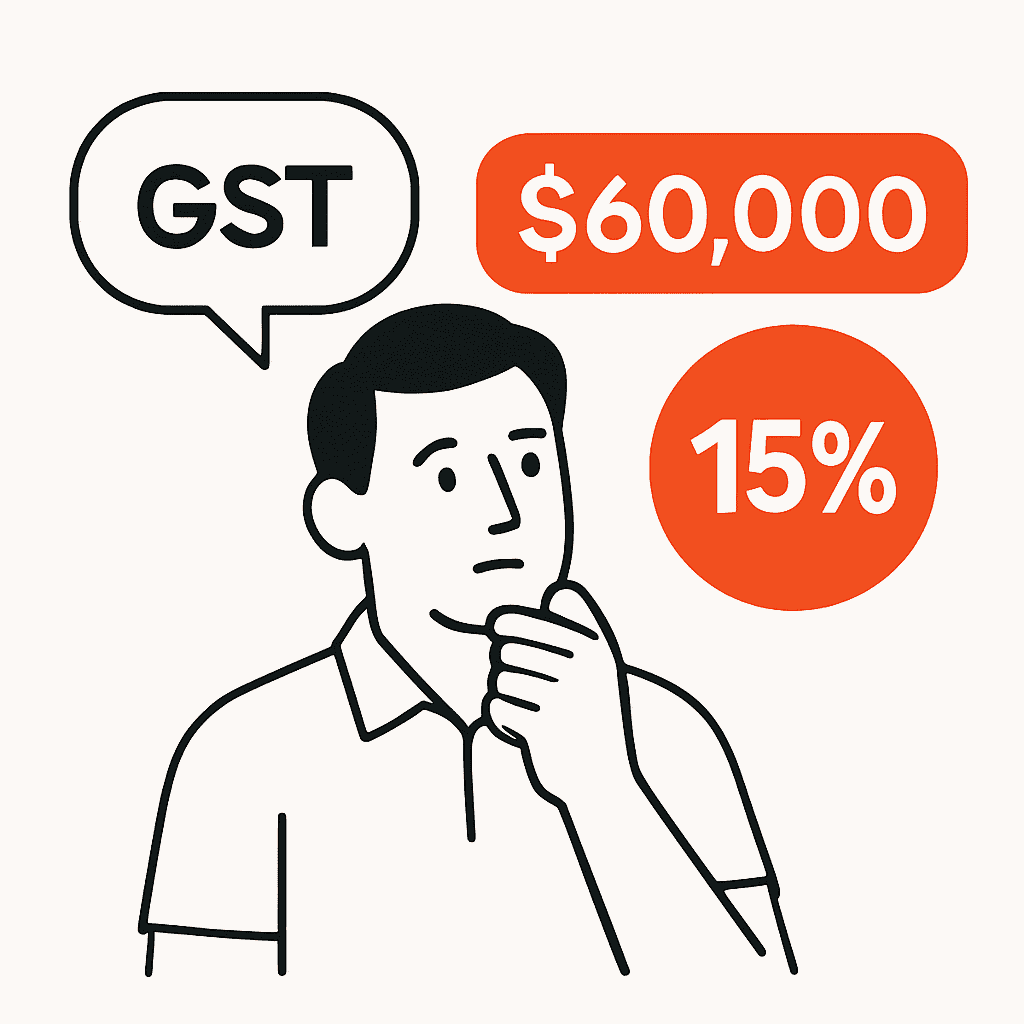
Goods and Services Tax (GST) in New Zealand is a 15% tax added to most goods and services. As a sole trader, it’s essential to know when you must register, how to charge GST correctly, and how to report it accurately.
When You Must Register for GST
According to IRD, you need to register for GST when:
- Your business turnover reaches $60,000 or more within any rolling 12-month period, or
- You expect to hit that threshold in the next 12 months.
The rolling 12-month window means you don’t have to wait until the calendar year ends; simply keep an eye on your income over any continuous 12 months.
You can also choose to register voluntarily, which some sole traders do to claim GST back on business expenses. Keep in mind that voluntary registration requires charging GST on your prices and lodging regular returns—so weigh the pros and cons carefully.
How GST Returns Work
Once registered, you’ll file GST returns according to a schedule you select. The IRD offers three options:
- Monthly: Ideal if you have many transactions and expenses to claim.
- Two-monthly: The most common choice for sole traders.
- Six-monthly: Best for smaller businesses with fewer transactions.
Next, decide your accounting basis:
- Payments basis: Record GST when money changes hands—typically the easiest for sole traders.
- Invoice basis: Record GST when invoices are issued—better for more complex situations.
Your GST return reports the GST charged to customers (output tax) minus GST paid on eligible business expenses (input tax). The difference is either paid to the IRD or refunded to you.
GST-Compliant Invoices: What You Must Include
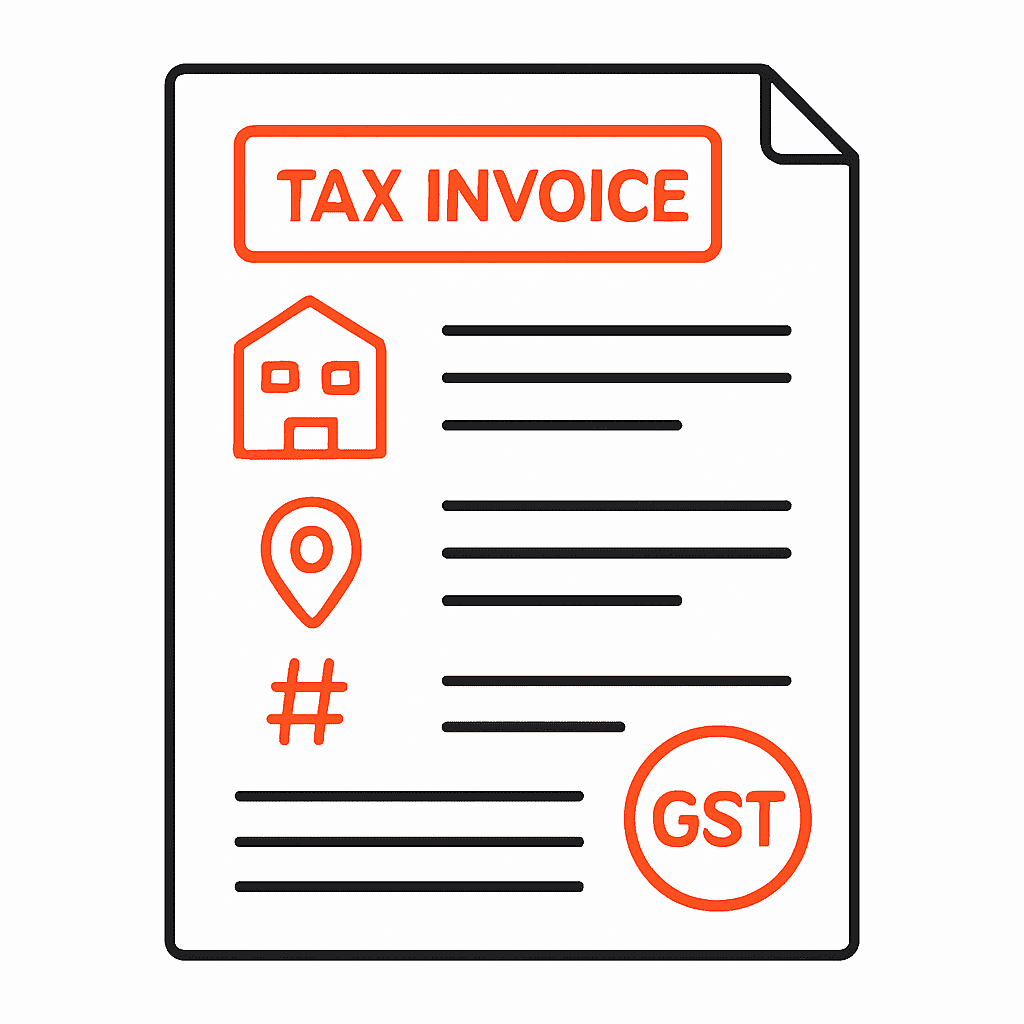
Once GST-registered, every invoice becomes a “tax invoice.” The IRD has strict rules on what must be included, and missing details could prevent your customers from claiming GST refunds—especially problematic if you work with commercial clients.
What a Tax Invoice Needs
For invoices over $50 (excluding GST), your tax invoice must contain:
- Your business name and contact details
- Your IRD or GST number
- The customer’s name and contact details (required if invoice exceeds $1,000)
- The invoice date
- A unique invoice number
- A clear description of goods or services provided
- The amount charged excluding GST
- The GST amount (15%)
- The total amount due including GST
- The words “Tax Invoice” prominently displayed
For smaller invoices (under $1,000), customer details can be simplified, but all other details remain essential.
And a quick reminder: quotes and estimates aren’t tax invoices. A quote only becomes an invoice once you convert it and send it to your customer.
Common Mistakes Sole Traders Make
- Charging GST before officially registering
- Forgetting to label the document “Tax Invoice”
- Miscalculating GST or missing the 15% charge entirely
- Not itemising services clearly
- Reusing invoice numbers (duplicates can cause big headaches!)
These slip-ups are easy to avoid—especially when using dedicated invoicing tools instead of manual spreadsheets.
Record Keeping Requirements
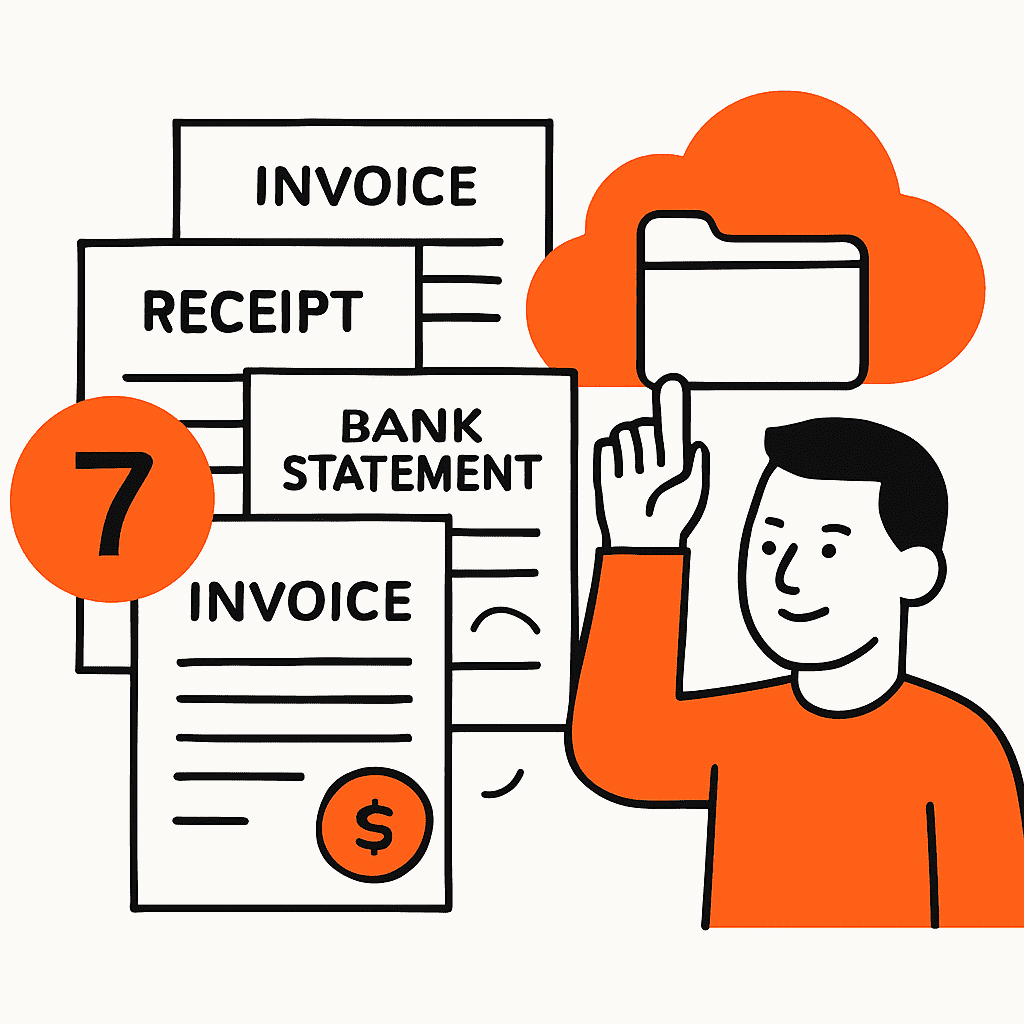
The IRD requires sole traders to keep accurate, clear business records for at least seven years. This includes:
- Invoices and receipts (income and expenses)
- Bank statements
- Vehicle logbooks if claiming mileage
- Records of asset purchases
- GST returns and related working papers
- Quotes, contracts, and job documentation
Good news—digital records are perfectly acceptable (and highly recommended). That means using job management software, cloud storage, and digital receipts can simplify your record-keeping significantly.
How Compliance Impacts Home-Service Businesses
Compliance isn’t just about keeping the IRD off your back. For tradies, cleaners, gardeners, and other home-service pros, GST-compliant invoicing also affects:
- Your pricing: GST affects your final invoice totals.
- Your cash flow: GST returns determine when money flows in and out.
- Customer expectations: Commercial clients expect clear, GST-compliant tax invoices.
- Your professionalism: Accurate invoicing builds trust and encourages repeat business.
In busy industries like cleaning, lawn care, and home maintenance, businesses that stay on top of quoting, invoicing, and job history often outpace their competition.
How Taskly Helps Sole Traders Stay GST-Compliant
Admin doesn’t have to be a headache. Taskly’s job management tools are tailored for NZ and AU home-service businesses, helping you stay compliant without drowning in paperwork.
With Taskly you can:
- Automatically create GST-compliant invoices
- Convert quotes to invoices with a single tap
- Track income and job history all in one place
- Set up automatic reminders for overdue invoices
- Record expenses and easily attach receipts
If you’re growing and expect to reach the $60k GST threshold, setting up your systems early makes the transition smoother—and leaves less room for surprises.
Curious? Explore Taskly’s quoting and invoicing tools to see how they can simplify your GST compliance.
Tips for Making GST and Invoicing Easier
- Set aside a portion of every payment to cover GST so you’re never caught short.
- Use scheduling and job management software to automatically log work.
- Reconcile transactions weekly instead of waiting until end of quarter.
- Keep personal and business finances separate—it keeps things tidy and stress-free.
- Automate recurring jobs and invoices whenever possible.
Small changes like these can save you from big headaches down the track.
Final Thoughts
Working as a sole trader in New Zealand offers great flexibility—and with that comes responsibility for GST and compliance. By understanding the rules and leveraging a reliable invoicing system, you’ll stay compliant, appear professional, and keep your business running smoothly.
If you want to simplify quoting, invoicing, job tracking, and compliance, give Taskly a go. It’s designed to make life easier for NZ and AU tradespeople, cleaners, lawn-care pros, and other service providers.
Ready to make admin less of a chore and stay compliant?
Learn more at Taskly.co.nz.